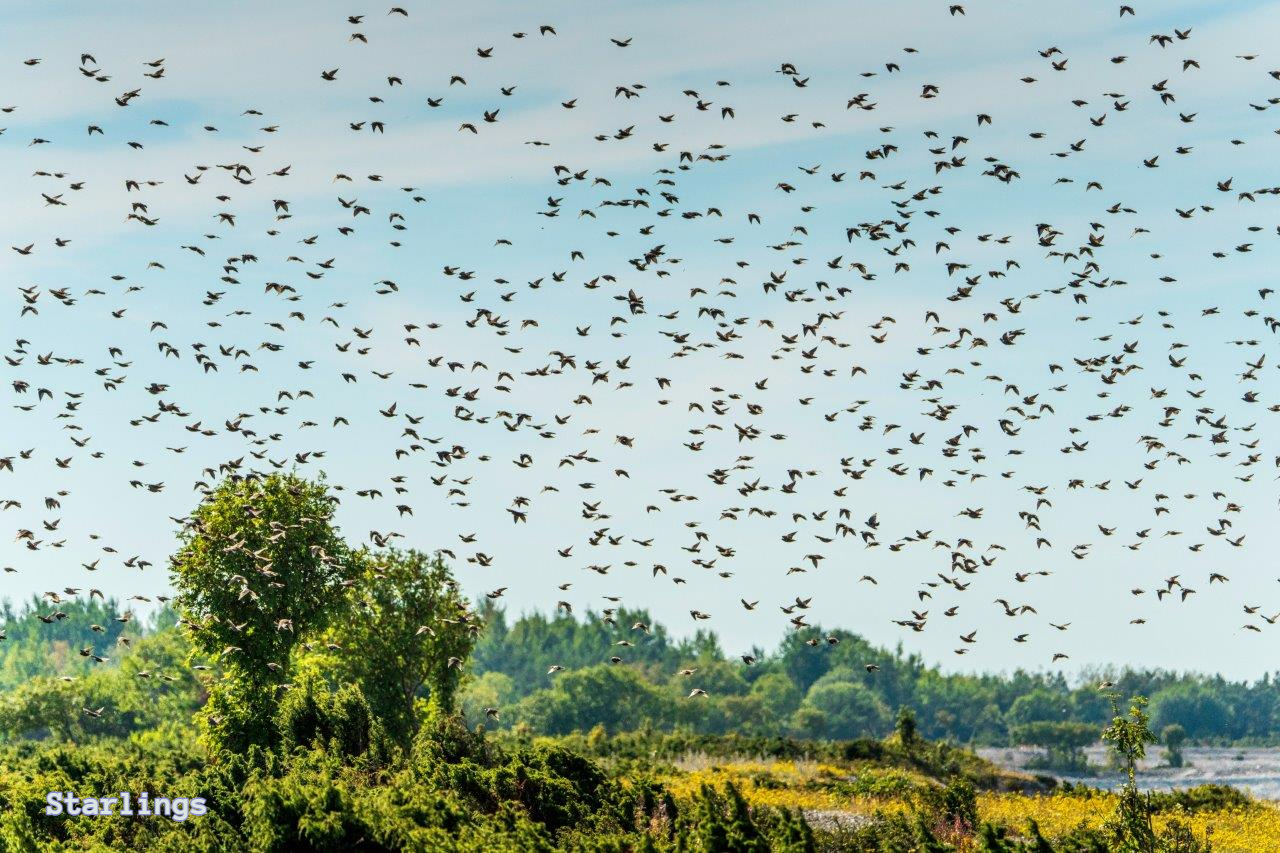
India’s location along major migratory flyways makes it a crucial destination for countless bird species every year. These long journeys are awe-inspiring. The Bar-headed Goose flies over the Himalayas from Central Asia, reaching Indian wetlands for the winter at altitudes above 25,000 feet. Birds like the Northern Pintail and Common Teal travel 4,000–6,000 kilometers from Siberia and northern Europe, while smaller species like wagtails arrive from Central Asia and Eastern Europe, adding vibrancy to farmlands and gardens.
India also welcomes summer migrants.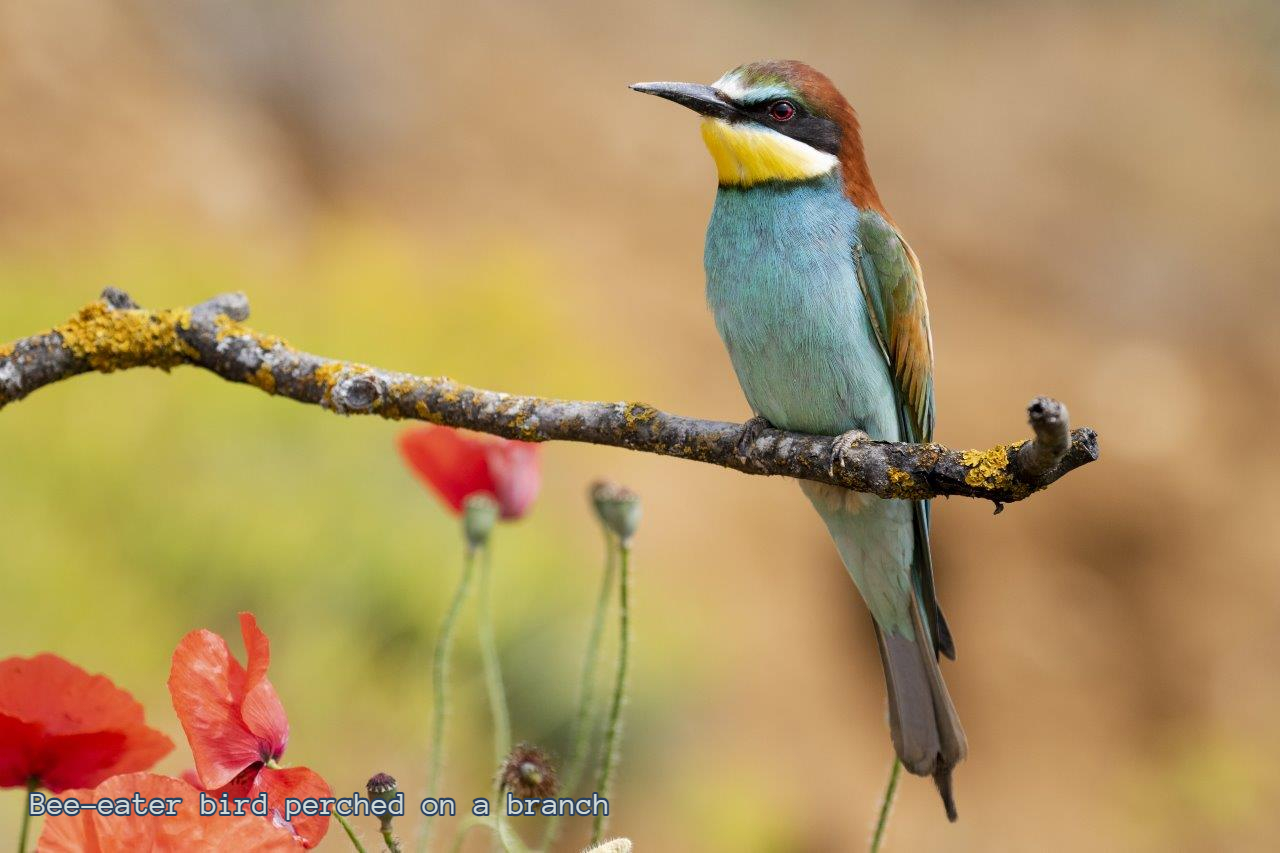 The Blue-tailed Bee-eater, a native of Southeast Asia, and several cuckoo species and the Indian Pitta migrate for breeding to northern parts of India. These movements are not only remarkable but essential for maintaining ecological balance.
However, rapid urbanization poses growing threats to these migratory visitors. Light pollution is a major issue. When migrating at night, many birds use the stars as a guide. They may become exhausted or suffer fatal collisions with buildings as a result of being confused by bright city lights. Glass windows are another hazard—birds often can’t see the reflective surfaces and crash into them.
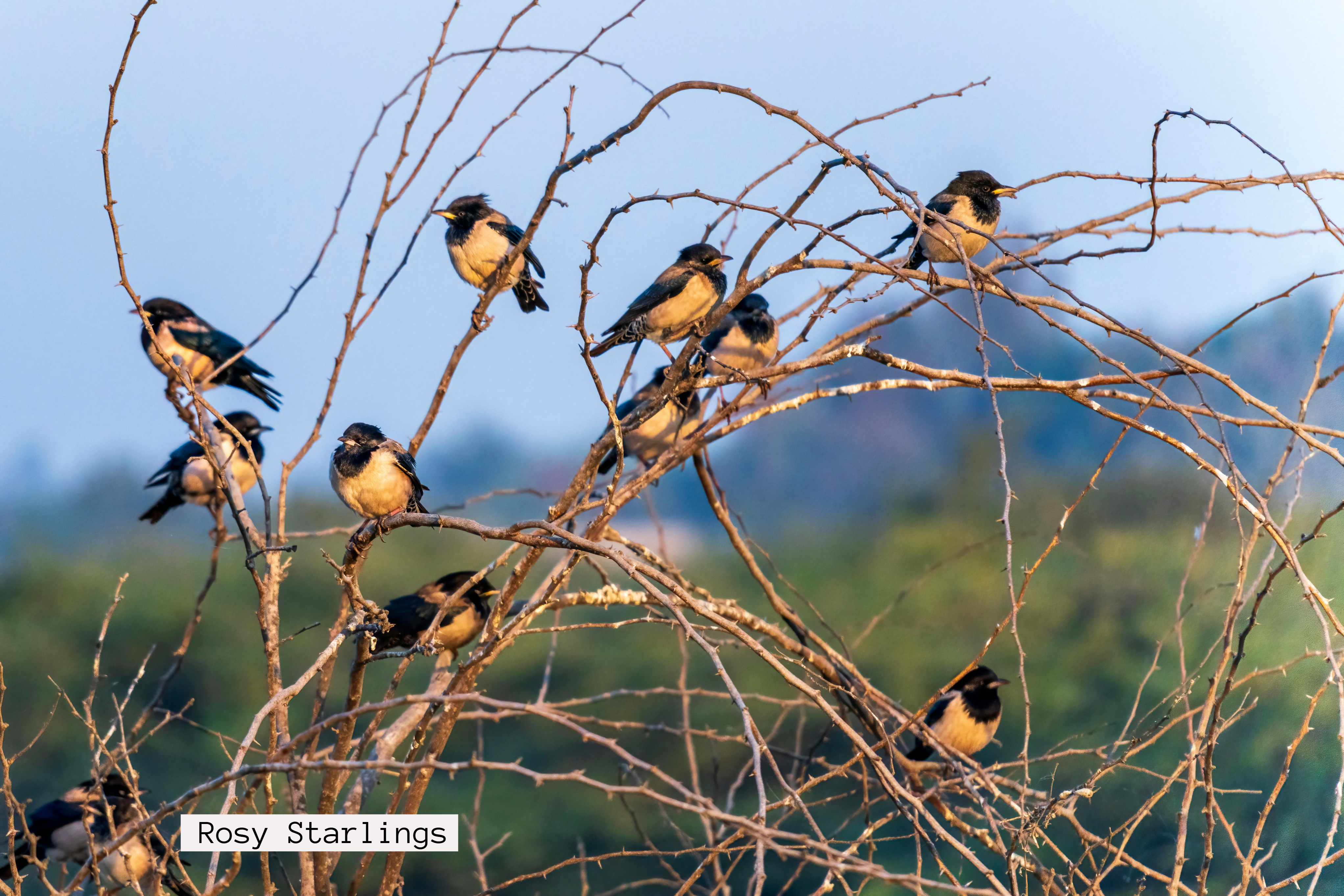
Urban expansion also reduces green spaces and wetlands, which are vital for feeding, nesting, and resting. One critical yet overlooked threat is the decline in insect populations, which many migratory birds rely on for food during their journey and breeding seasons. The heavy use of pesticides, habitat loss, and climate change are major causes of this decline, directly affecting bird survival and reproduction.
Additionally, migratory birds are bioindicators, providing important information about the condition of ecosystems. Their arrival times, routes, and numbers reflect the quality of air, water, and habitat conditions. A sudden change in bird behavior or decline in population often signals broader environmental issues that can also impact human health.
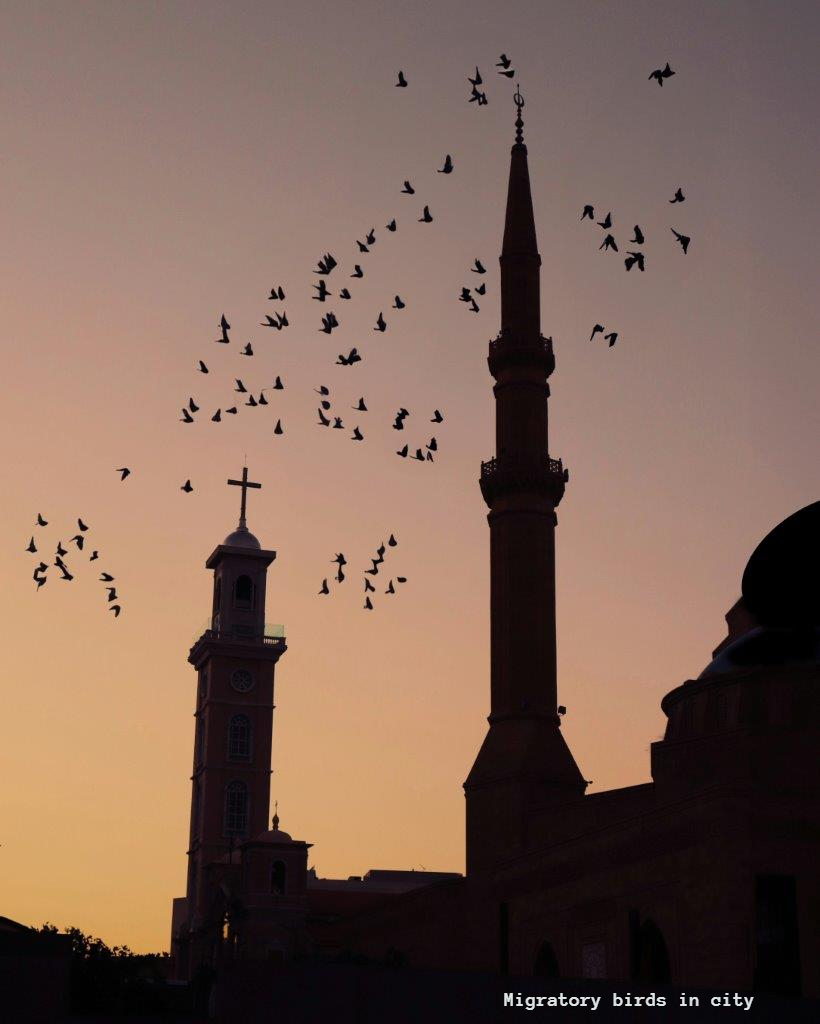 Adding to the challenge, climate change is increasingly disrupting bird migration. The availability of food, the timing of migration, and the appropriateness of stopover locations are all impacted by rising temperatures and erratic weather. Birds may arrive too early or too late, missing the peak food supply needed for survival and breeding. Drying wetlands and changing rainfall patterns also threaten crucial resting areas along their journey.
Despite these challenges, we can make cities more bird-friendly with thoughtful urban planning and community involvement. Here are some key actions:
Control Artificial Lighting: Limit unnecessary outdoor lighting at night, especially near wetlands and parks. Use warm-colored, shielded lighting to reduce disorientation.
Design Safer Buildings: Treat glass surfaces with decals, patterns, or UV-reflective films to prevent bird collisions.
Expand Green Spaces: Plant native trees and shrubs in parks, gardens, and rooftops. Preserve and restore wetlands, wooded patches, and grassy areas. By establishing green spaces, birds can travel through cities without risk.
Protect Natural Habitats: Safeguard remaining ecosystems in and around cities to support both migratory and resident birds.
Promote Public Participation: Encourage birdwatching, citizen science surveys, and school programs to raise awareness and gather useful data for conservation.
With consistent, bird-friendly actions, our cities can become safe resting and breeding grounds for migratory birds—every season, every year. Their presence is not just a seasonal wonder but a powerful indicator of our environment’s health and balance.
 About the writer: Meet Prerana. Her journey is a testament to living with intention, guided by a deep commitment to kindness. This ethos shines through her dedication to a vegan lifestyle and her efforts towards embracing minimalism. A fierce advocate for animal welfare, Prerana brings over ten years of experience in the field and shares her life with a joyful family of many rescued animals. Her insights here are rooted in a genuine desire to promote compassion and conscious living.