Observed every year on May 23, the World Turtle Day is a chance to honor these 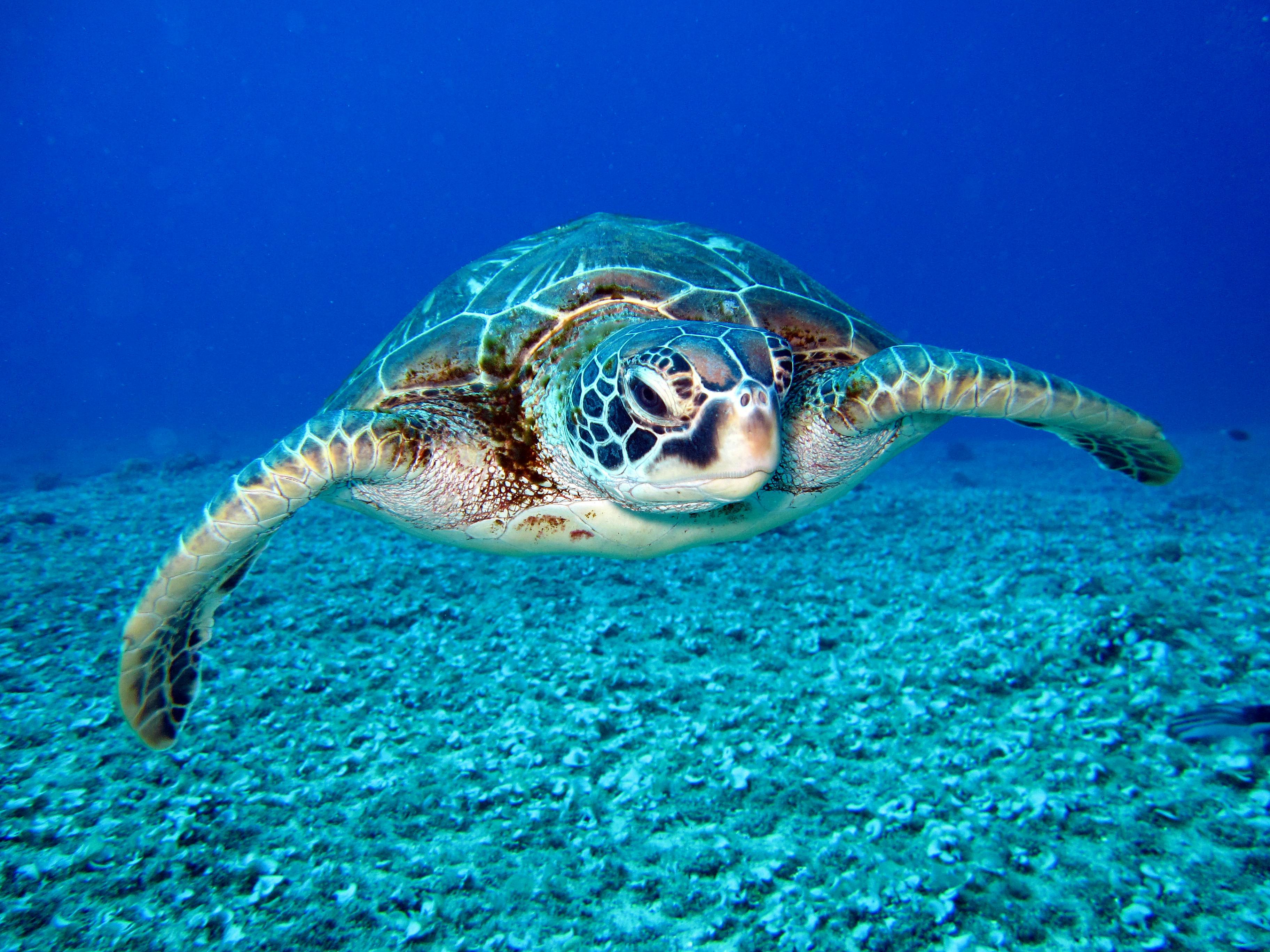 gentle beings and reflect on our role in their survival. Turtles have existed for over 200 million years, contributing to the health of rivers, oceans, and wetlands. Yet today, they are endangered due to various factors including habitat destruction, climate change, plastic pollution and the increasingly cruel Pet Trade.
A Personal Awakening About Quiet Cruelty
I once visited a well-educated family during a small gathering. They had pet turtles, kept more as decorative curiosities than living beings. One had tragically fallen from their 10th-floor balcony. No one knew how, and worse, they shared the incident without much remorse. That moment stayed with me. It revealed a disturbing truth: turtles do not belong in homes. Their captivity is quiet cruelty.
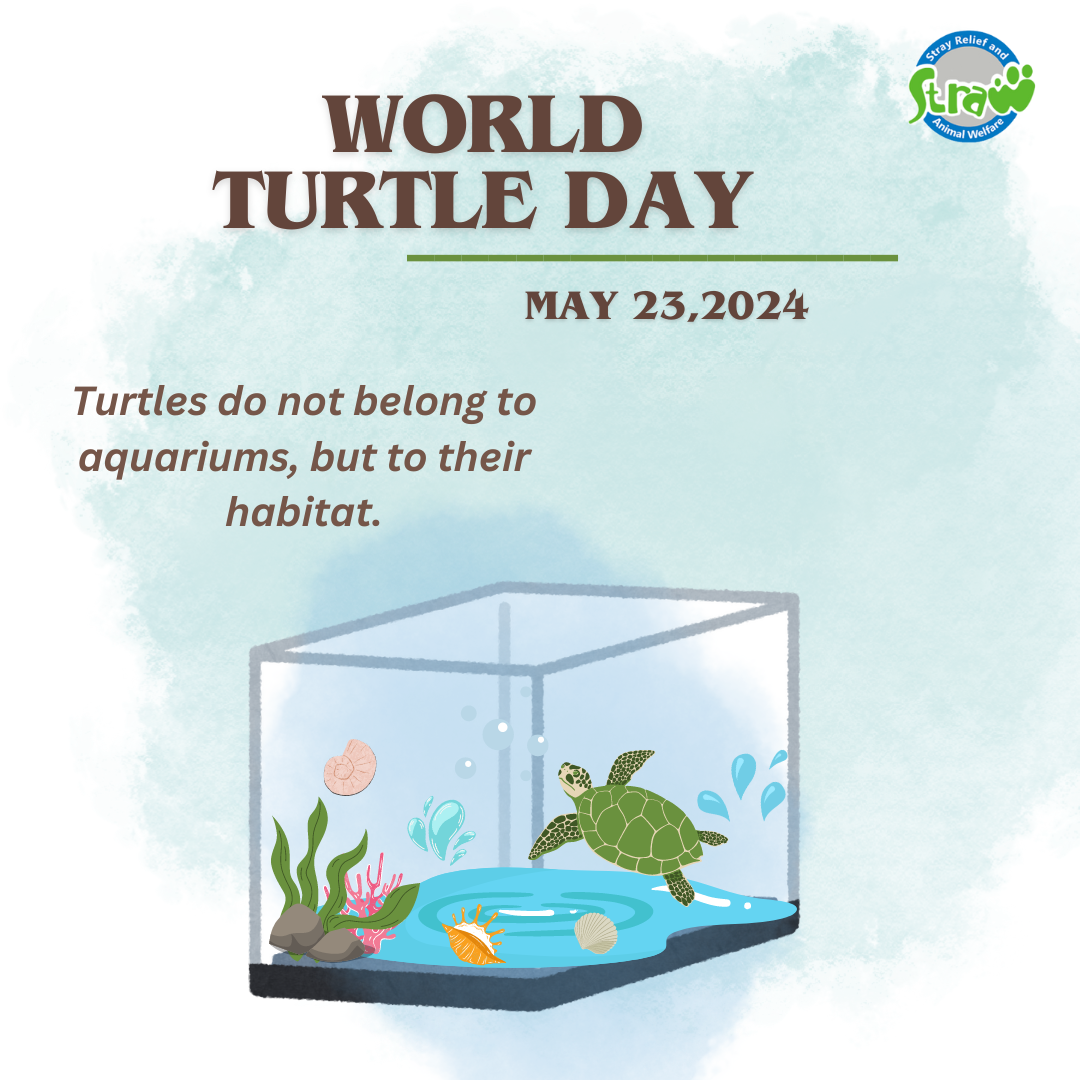
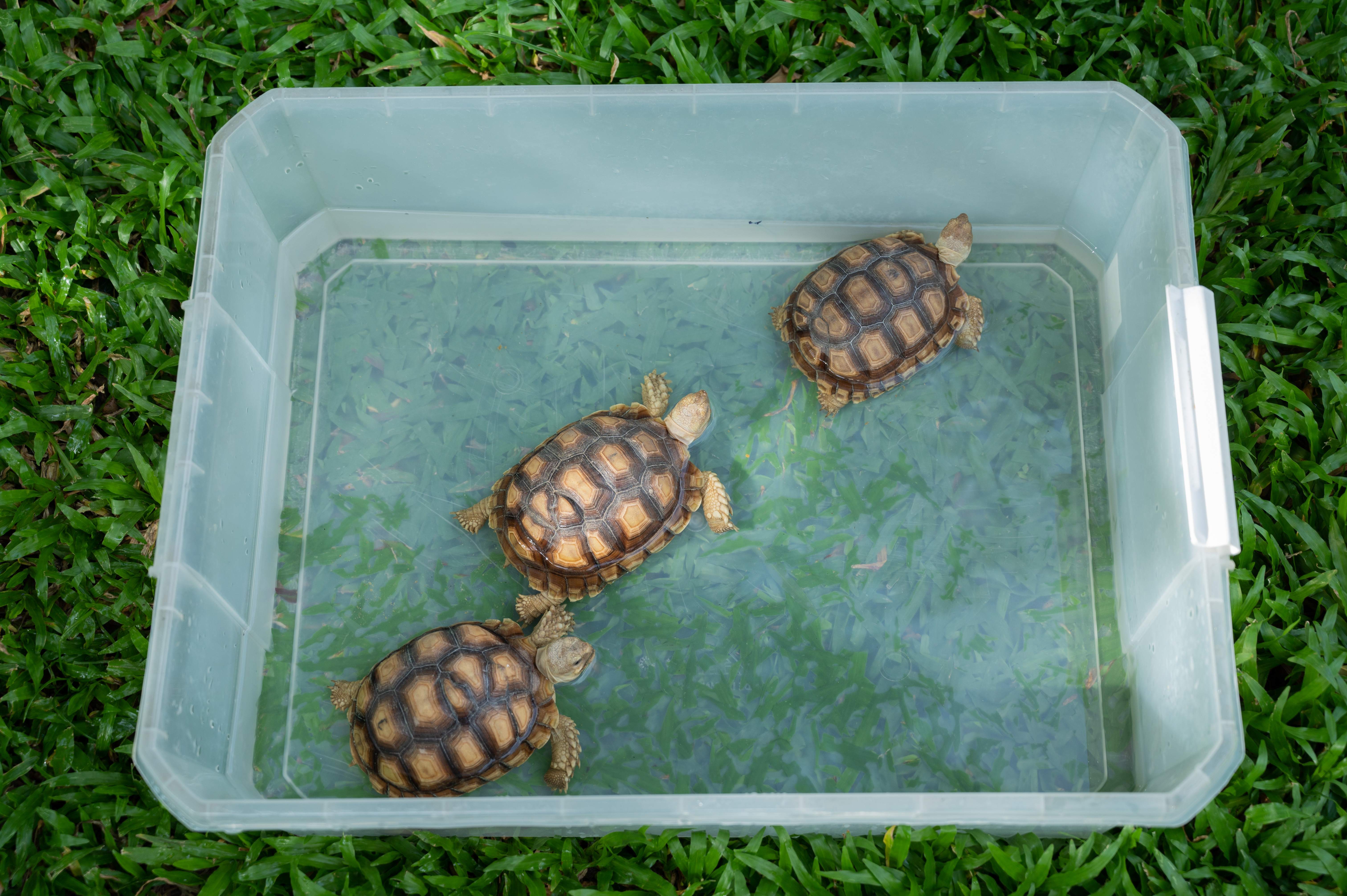
Why Turtles Should NOT Be Pets
https://www.strawindia.org/blog-images/Turtles%20do%20not%20belong%20to%20aquariums.png
- Mental and Physical Suffering: A tank can never replicate the vast, natural habitat turtles need. In captivity, they experience stress, have limited mobility, and frequently die young.
- Complex Needs: Turtles require clean, temperature-controlled water, UVB lighting, basking areas, and species-specific nutrition—conditions rarely met in household settings.
- Health Risks: Many captive turtles suffer from shell deformities, respiratory infections, and chronic malnutrition due to poor care.
- Ecological Harm: Removing turtles from their natural habitat disrupts delicate ecosystems. In the wild, they regulate pest populations, maintain water quality, and support nutrient cycling.
 Commercial Fishing: A Deadly Threat
Sea turtles face enormous danger from industrial fishing. They are often caught unintentionally in fishing nets, an issue known as by-catch, and many do not survive. The industry’s carbon footprint also contributes to rising ocean temperatures, which affect turtle nesting patterns and hatchling gender ratios (which are temperature-dependent).
A Hopeful Example: Astarang, Odisha
In Astarang, Odisha, I witnessed a truly inspiring conservation effort. Saumya Ranjan Biswal, a passionate young environmentalist, has spent over 13 years protecting Olive Ridley turtles. His work, ranging from mangrove restoration to beach clean-ups, has empowered local communities to actively safeguard marine life. As a UN India YuWaah Advocate, Biswal shows what compassion-driven, youth-led action can achieve.
Steps You Can Take to Protect Turtles and the Planet
🌱 Support Ethical Conservation
Choose to help initiatives that protect turtles without confining them. Volunteer, donate, or spread their message.
🐢 Say No to Pet Turtles
Turtles are wild beings, not ornaments. Keeping them in tanks is captivity—not care.
📢 Raise Awareness
Talk to others about the damage caused by the exotic pet trade and the fishing industry. Share the truth with empathy.
🌊 Eliminate Seafood
Industrial fishing kills more than fish—it destroys entire ecosystems. Go plant-based to protect turtles and ocean life.
🌿 Get Involved Locally
Participate in beach clean-ups, habitat restoration, or awareness campaigns. Local action fuels global change.
This World Turtle Day let’s honor turtles not by confining them but by defending their right to live wild and free. Their survival depends on our choices.

About the writer: Meet Prerana. Her journey is a testament to living with intention, guided by a deep commitment to kindness. This ethos shines through her dedication to a vegan lifestyle and her efforts towards embracing minimalism. A fierce advocate for animal welfare, Prerana brings over ten years of experience in the field and shares her life with a joyful family of many rescued animals. Her insights here are rooted in a genuine desire to promote compassion and conscious living.