India is home to over 62 million stray dogs and 9 million stray cats. This isn't just a "nature" problem; it’s a human-driven one. From irresponsible pet ownership to gaps in urban planning, our systems are creating a cycle of conflict, fear, and suffering.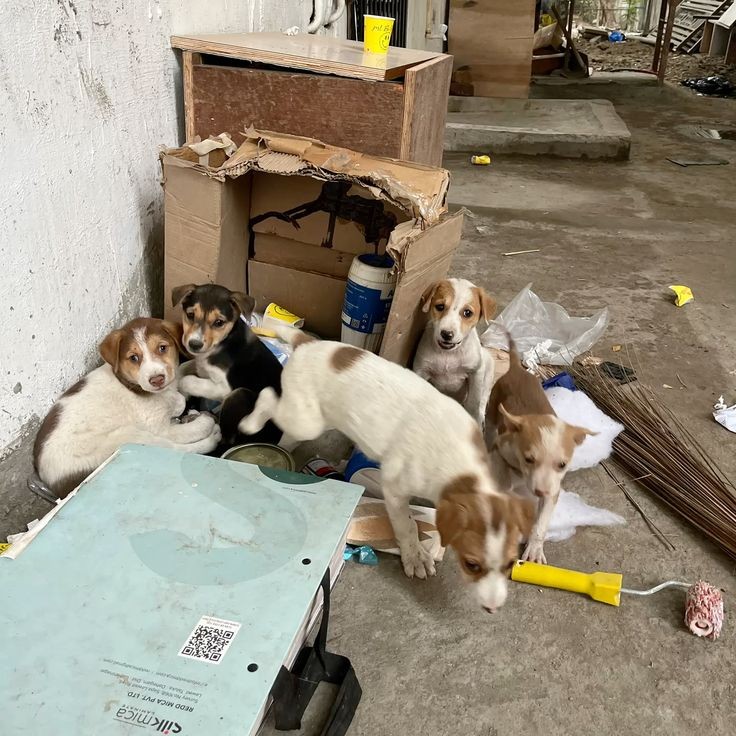
Understanding the why is the first step toward fixing the what. Here are the three primary drivers of the stray population and how we can solve them.
1. The Sterilization Gap
While the Animal Birth Control (ABC) Rules, 2023 mandate a humane "Capture, Sterilize, Vaccinate, Return" (CSVR) process, its implementation is inconsistent. Many cities lack the funding or facilities to keep up, and a few unsterilized dogs can quickly repopulate an entire neighborhood.
-
The Remedy: We need transparent monitoring and adequate budgets for local ABC programs.
-
The Role of Education: Culture change starts young. Programs like STRAW India’s Compassionate Classrooms teach children empathy and responsible care, ensuring the next generation views sterilization as an essential healthcare requirement rather than an elective choice.
2. The "Status Symbol" Trap
The preference for foreign pedigree breeds fuels unethical backyard breeding and the abandonment of animals when owners realize the high cost of their care. Meanwhile, resilient, intelligent local "Indies" are overlooked.
3. Waste Mismanagement
Rapid urbanization has left us with overflowing bins and open garbage dumps. These are constant food sources that fuel reproduction, territorial aggression, and disease spread.
Is it really a "Menace"?
The stray population is a consequence of human encroachment, poor planning, and weak enforcement. The real "menace" isn’t the dogs, but it’s systemic failure affecting both animals and people.
Sustainable change requires:
-
Science-based policies and humane sterilization.
-
Responsible pet ownership and "Indie" adoption.
-
Clean cities with managed waste.
-
Compassion-driven education.
If the streets aren't a home for humans, we shouldn't accept them as a home for animals. It’s time to move toward a future where both humans and dogs are safe.
About the Author
Tanishka Sharma, a volunteer with STRAW India, is passionate about animal welfare and community well-being. She is currently pursuing her journey as a pilot driven by curiosity, discipline, and a desire to make a positive impact both on the ground and in the skies.